Leadership & Career Development Podcast for Women Since 2007 with Executive Coach Sabrina Braham MA MFT PCC2025-11-14T18:26:34-06:00

Welcome to the Women’s Leadership Podcast

Do you want to expand your potential and achieve great success? You have come to the right place. The Women’s Leadership podcast was created to help you. For over 30 years, I have been involved in research & cutting-edge practices that have helped thousands of people get promoted and become top leaders.

In this one-of-a-kind women’s leadership podcast, you will get actionable advice and tips and hear stories from over 144 top female (and men) thought leaders to help you be a better leader, advance your career, increase your income, help you have more influence and have a better quality of life in work and play.

This Women’s Leadership podcast is ideal for you if you are a new supervisor, manager, existing C-Suite, seasoned entrepreneur leader, or aspire to be one.

How to Use Women’s Leadership Podcast to Excel in Your Leadership, Career, and Income

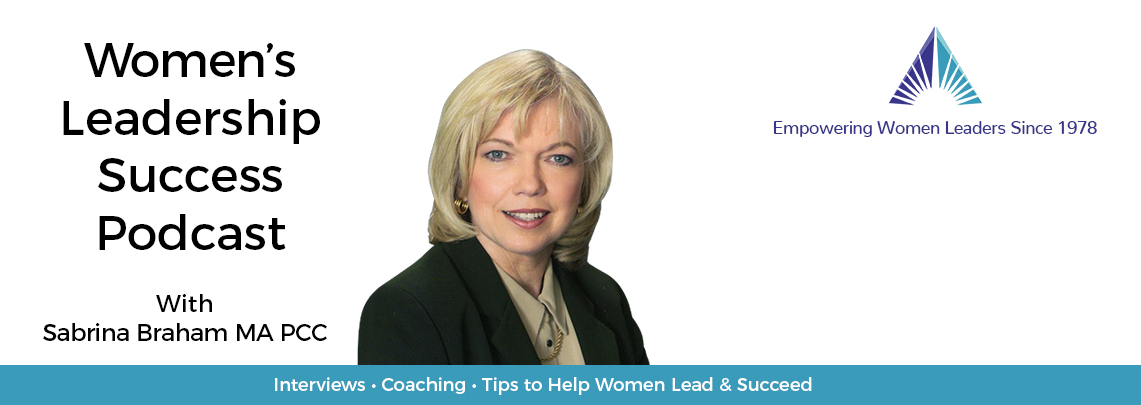
Women’s Leadership Podcast with Sabrina Braham

Executive Leadership Coach Sabrina Braham MA MFT PCC

To find a specific topic to help you succeed, use the Women’s Leadership Podcast “Topics” category search on the right-hand sidebar, or the search magnifying glass on the top navigation bar. Also, on the lower right-hand sidebar, check out some of the “Most Popular Shows” of the Women’s Leadership Success podcasts, where we are some of the most popular authors, entrepreneurs, and thought leaders dedicated to helping you enhance your leadership.

The results I have had with my clients inspired me to launch and develop this Women’s Leadership podcast to give you that same opportunity to excel in your leadership & career by sharing my expertise and interviewing top leaders in business to discover the secrets to their great success.
Women's Leadership Success | Listen Notes

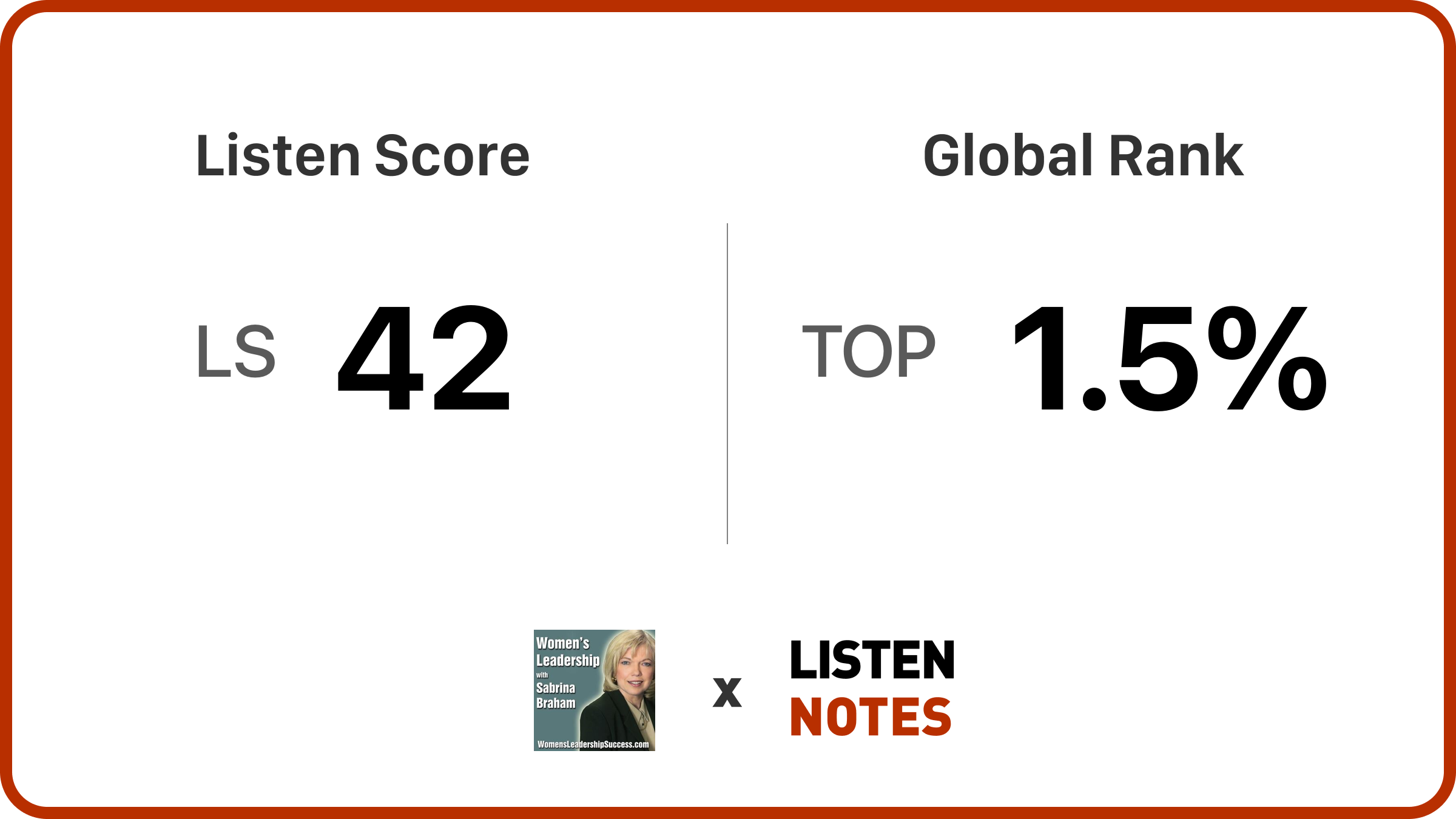
We have produced this Women’s Leadership Podcast since 2007, have had over 950,000 downloads, and have ranked in the top 1.5% of podcasts worldwide. We are so happy and excited to hear from many listeners that this podcast for women has helped them.

We know the advice and wisdom in this Women’s Leadership Podcast will change you…if you listen and implement the actions that are suggested in these programs.

May I Ask You a Favor?

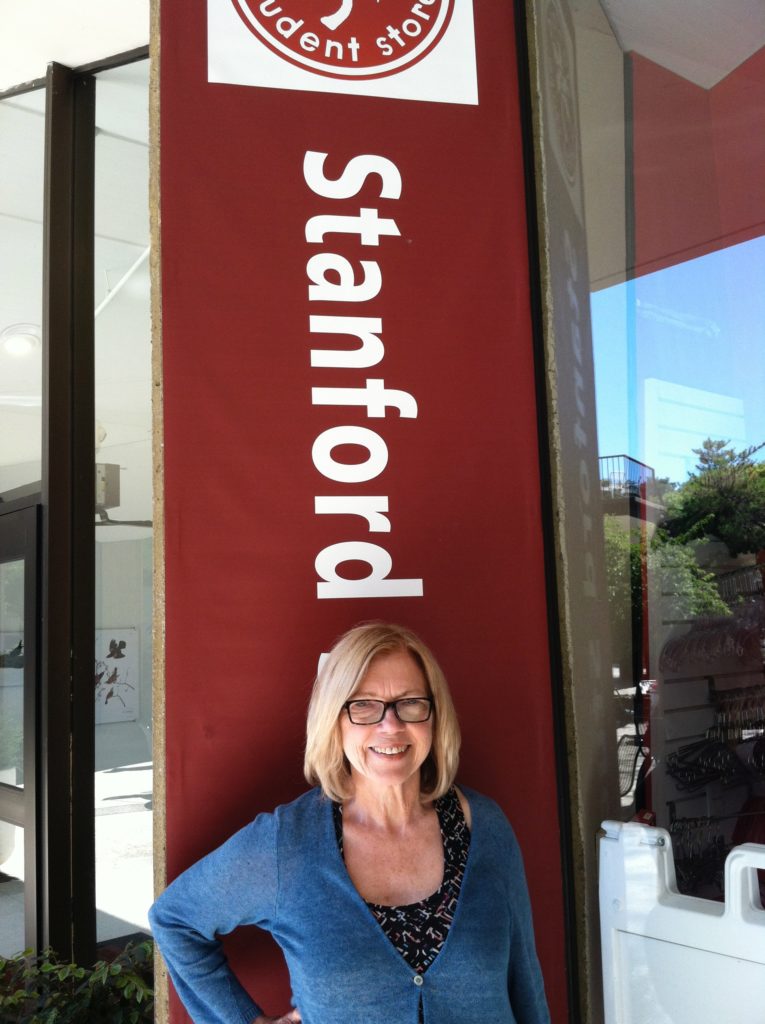
Women’s Leadership Executive Coach Sabrina Braham MA MFT PCC

Thank you for listening to one of the first women’s leadership podcasts ever. May I ask you a favor?

Please give us a quick rating and review in Apple Podcasts or your favorite podcast platform and share this special leadership podcast for women with others so that we can help more women succeed together.

I want to hear from you too. Please post your thoughts and questions in the “Leave a Comment” box below each show.

Wishing you great success, Sabrina Braham MA MFT PCC

Women Leaders Storytelling Promotion Tips: Neuroscience Guide 2026 | WLS 155

The Neuroscience of Career Advancement: Women Leaders Storytelling Promotion Guidance

Women leaders face declining sponsorship support—only 31% have sponsors compared to 45% of men (McKinsey, 2025). Neuroscience reveals storytelling activates unique brain patterns that make your achievements memorable and promotable. Learn the immersion framework that transforms ordinary experiences into extraordinary career opportunities for women managers, directors, and VPs.

  • Neural coupling through storytelling makes your leadership 300% more memorable to decision-makers than data alone
  • The SIRTA framework creates brain immersion moments that drive promotion decisions
  • Women promoted to manager roles lag men 93:100 despite equal competence (McKinsey, 2025)
  • Women leaders storytelling promotion tips in job interviews, performance reviews, and team meetings bypasses the “broken rung” barrier
  • Companies with storytelling cultures show 40% higher employee engagement and customer lifetime value

As an executive coach with over 30 years of experience (MA, MFT, PCC) and host of the Women’s Leadership Success Podcast (900,000+ downloads, top 1.5% globally), I’ve witnessed a troubling trend accelerate in 2025: corporate commitment to women’s career advancement has stalled after a decade of progress.

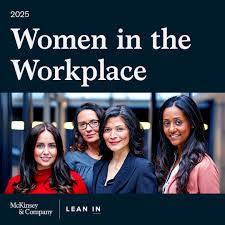
The latest McKinsey “Women in the Workplace 2025” report reveals only 54% of companies now prioritize women’s advancement—down from previous years—and only 31% of entry-level women have sponsors compared to 45% of men. For every 100 men promoted to manager, only 93 women advance. The gap widens dramatically for women of color: just 74 promoted for every 100 men.

2025 Women in the Workplace review by Women's Leadership Success

As an executive coach with over 30 years of experience (MA, MFT, PCC) and host of the Women’s Leadership Success Podcast (900,000+ downloads, top 1.5% globally), I’ve witnessed a troubling trend accelerate in 2025: corporate commitment to women’s career advancement has stalled after a decade of progress.

But there’s a powerful solution hiding in plain sight, backed by 20 years of neuroscience research: the strategic use of storytelling and brain-based immersion techniques.

In this episode of the Women’s Leadership Success Podcast, I interview Dr. Paul Zak, a pioneering neuroscientist who has spent two decades studying how the brain values social and emotional experiences. His groundbreaking research on “immersion”—a measurable combination of neural signals that determine what we remember and act on—reveals exactly why some women leaders get promoted rapidly while others with equal qualifications remain stuck.

What is Immersion and Why Does it Matter for Your Promotion?

“Immersion is how the brain values social-emotional experiences,” explains Dr. Zak, whose work has transformed how Fortune 500 companies create extraordinary customer and employee experiences. “What is valued by the brain is what is remembered and acted on.”

Think about your last promotion discussion or performance review. Did you simply list accomplishments? Or did you tell the story of how you transformed a struggling customer relationship, complete with the emotional stakes and ultimate resolution?

The difference isn’t just rhetorical—it’s neurological.

Recent research from Global Focus Magazine (2025) confirms that stories engage both conscious and subconscious layers of the mind through a process called “neural coupling.” When you tell a compelling story, the neurons in your listener’s brain fire in the same patterns as yours. This creates shared understanding and emotional resonance that data alone cannot achieve.

For women leaders fighting the broken rung—the persistent barrier at the first promotion to manager—this matters enormously. When only 54% of companies prioritize women’s advancement, you cannot wait passively for recognition. You must create immersive experiences that make decision-makers remember you and advocate for your promotion.

Why Women Leaders Need Storytelling Now More Than Ever

The workplace landscape for women in 2025 looks fundamentally different than just two years ago. Only half of companies prioritize women’s career advancement (McKinsey, 2025), entry-level women are 1.5x less likely to be promoted when working remotely, and senior-level women report record-high burnout with 60% feeling frequently burned out.

Women who work hard but remain invisible face what neuroscience calls the “attention era problem.” With scarce brain activity being doled out carefully, your achievements compete with thousands of distractions for mental bandwidth.

“The brain’s so energy-hungry to run at full speed, we idle most of the time,” Dr. Zak explains. “For those leaders who can create extraordinary experiences, they have a real competitive advantage because they’re creating raving fans.”

This applies equally to internal audiences—your boss, skip-level leaders, and promotion committees—as it does to external customers.

The Science: How Your Brain Processes Stories vs. Data

Neural Coupling Creates Shared Experience:

Research by Stephens, Silbert, and Hasson (NeuroLeadership Institute, 2021) shows story processing activates the motor cortex, sensory cortices, and frontal cortex simultaneously. This “mirroring” creates shared contextual understanding between storyteller and listener.

Emotional Tagging Drives Memory: “Emotions are how the brain tags experiences with value,” Dr. Zak emphasizes. Think of your most memorable life moments—a wedding, car accident, or career breakthrough. You recall them vividly because emotional intensity creates stronger neural pathways.

Oxytocin Release Builds Trust: Engaging narratives release oxytocin in the brain, promoting empathy and altruistic behavior (HEPI, 2025). When your boss feels emotionally connected to your success story, they’re neurologically primed to advocate for your promotion.

Dopamine Sustains Attention: Story anticipation triggers dopamine—”your brain’s form of candy,” as Dr. Zak calls it. This keeps decision-makers engaged through your entire narrative instead of mentally drifting to their next meeting.

The SIRTA Framework: Transform Any Situation Into a Promotion-Worthy Moment

Dr. Zak has developed a practical framework for creating immersive experiences that leaders remember and reward. The acronym SIRTA guides you through five essential elements:

S – Staging: Create the Right Environment

“Think of the lights going down in a theater,” Dr. Zak explains. “That’s staging—isolating attention so people focus on this moment.”

The SIRTA framework for Career Advancement for women

In Practice for Women Leaders:

  • Performance Reviews: Request a dedicated 45-minute meeting instead of a quick check-in
  • Job Interviews: Research the company origin story and prepare to connect your values to theirs emotionally
  • Team Meetings: Begin with “phones off, laptops closed” to eliminate distractions

I – Infusion: Introduce Emotional Stakes

This is where most women leaders lose the promotion battle. You’re taught to be modest, factual, and data-driven. But neuroscience shows the brain needs emotional investment to create value.

Avoid: “I increased sales by 20% in Q3.”
Instead: “Our largest customer was threatening to leave—$2M annual revenue at risk. The entire team felt the pressure. Here’s the story of how we turned that relationship around…”

R – Resonance: Build Connection Through Recognition

“Our brains are built for stories as social creatures,” Dr. Zak notes. Share stories that reflect your audience’s values, include moments of vulnerability (the “pratfall effect” makes you more relatable), and use “I we” language to show both leadership and collaboration.

T – Tension: Sustain Immersion Through Narrative Arc

Tension creates dopamine release that sustains attention. Without tension, stories become boring data dumps. Structure your achievement stories with clear challenges, escalating stakes, and uncertain outcomes before revealing the resolution.

Example Structure:

  • Setup: “When I took over the product launch, we were 6 weeks behind schedule”
  • Escalation: “Engineering discovered a critical bug that would delay us another month”
  • Stakes: “We’d miss the holiday shopping season—$5M revenue at risk”
  • Resolution: “Here’s how we mobilized a cross-functional war room…”

A – Action: Provide Clear Next Steps

Dr. Zak emphasizes that immersive stories must end with actionable takeaways. For women leaders storytelling promotion narratives, this means clearly articulating your impact, lessons learned, and how you’ll apply this capability in your next role.

Implement This Week: Your 7-Day Storytelling Action Plan

Day 1 (20 minutes): Audit Your Achievement List Review your last 12 months and identify 3-5 major accomplishments. For each, note: What was at stake? Who was involved? What obstacles did you face? What was the outcome?

Day 2 (30 minutes): Map Stories to SIRTA Take your top 3 achievements and outline them using the SIRTA framework. Focus especially on Infusion (emotional stakes) and Tension (narrative arc).

Day 3 (15 minutes): Practice One Story Aloud Record yourself telling your strongest story. Listen back: Are you conveying emotion? Is there clear tension? Does it feel authentic?

Women Leaders Storytelling Promotion podcast

Day 4 (30 minutes): Customize for Your Audience Adapt your story for three different contexts: performance review with your boss, job interview, networking conversation. How does the emphasis shift?

Day 5-6 (10 minutes daily): Share Mini-Stories In team meetings or one-on-ones, practice infusing brief stories (60-90 seconds) into routine updates. Notice audience engagement.

Day 7 (20 minutes): Reflect and Refine What worked? What felt uncomfortable? Which stories generated the most engagement? Plan your next storytelling opportunities.

Success Metrics: Within 7 days, you should have 2-3 polished stories ready for high-stakes conversations and feel noticeably more comfortable with narrative communication.

Common Mistakes Women Leaders Make With Storytelling

Mistake #1: Making Yourself Too Small in the Story You’re the protagonist. While collaboration matters, promotion committees need to see YOUR specific contribution and leadership. Balance “we” language with clear “I” actions.

Mistake #2: Skipping the Emotional Stakes Data without emotion doesn’t stick. If there were no consequences to failure or no joy in success, the brain won’t value or remember your story.

Mistake #3: Stories Too Long or Too Short Research shows optimal story length is 90-120 seconds for maximum immersion without losing attention. Practice timing your narratives.

Mistake #4: Over-Rehearsing to Robotic Delivery Authentic emotion matters more than perfect word choice. Know your story arc, but let natural emotion come through in the telling.

Mistake #5: Using Only Success Stories The pratfall effect shows that stories including vulnerability, mistakes, and recovery make you more trustworthy and relatable—not less competent.

People Also Ask: Storytelling for Women Leaders

Your 7-Day Leadership Action Plan - Women Leaders Storytelling Promotion


How long should my career stories be in a job interview?

Aim for 90-120 seconds for your main stories—long enough to create emotional engagement but short enough to maintain attention. Dr. Zak’s research on immersion shows brains naturally sustain high-value attention for 1-2 minutes before needing a new stimulus.

What’s the difference between bragging and strategic storytelling?

Women leaders storytelling promotion focuses on strategic problems solved and value created, not just personal achievement. Frame stories around challenges the organization faced and how your leadership contributed to solutions. Include team collaboration while making your specific role clear.

Can introverted women leaders use storytelling effectively?

Absolutely. Storytelling isn’t about extroversion—it’s about structure and emotional authenticity. Introverts often excel at thoughtful, well-crafted narratives. The SIRTA framework provides a systematic approach that works for any communication style.

How do I know if my story is creating immersion?

Watch for physical cues: leaning in, sustained eye contact, nodding, emotional mirroring. In virtual settings, note reduced multitasking, engaged questions afterward, and whether your audience remembers specific story details days later.

Should I use storytelling in performance reviews even if my company culture is very data-driven?

Yes—but integrate data within narrative structure. Start with the story context and emotional stakes, embed the metrics as evidence of impact, then conclude with lessons and future applications. Data gains meaning through story context.

How can I practice storytelling without feeling inauthentic?

Start with true experiences that genuinely matter to you. Authenticity comes from emotional honesty, not performance. Use the SIRTA framework to structure your genuine experiences, not to fabricate false ones.

What if I work remotely and have fewer face-to-face storytelling opportunities?

Virtual storytelling requires intentional staging. Request video-on meetings for important conversations, use screen sharing to add visual elements, and create dedicated time for narrative communication rather than squeezing stories into rushed Slack messages.

Traditional vs. Story-Based Career Communication

Traditional Approach

  1. “I increased sales 20%”
  2. Bullet point achievements
  3. Focus on what you did
  4. Modest, minimize contribution
  5. Data-heavy, emotion-light
  6. Linear chronology
  7. Generic capabilities list
  8. One-size-fits-all resume

Neuroscience-Based Storytelling

  1. “When our biggest client threatened to leave…”
  2. Narrative arc with emotional stakes
  3. Focus on why it mattered and who it impacted
  4. Clear leadership role while acknowledging collaboration
  5. Data embedded in emotionally resonant context
  6. Tension-building structure with reveals
  7. Proactive personal ownership
  8. Specific examples showing capability application

What's New in 2026: Storytelling in the AI Era

AI-Resistant Capability: While AI can generate data analysis and task lists, it cannot replicate authentic human experience and emotional resonance. Your unique stories become your competitive advantage.

Virtual Leadership Requirement: As hybrid work persists, leaders who excel at creating immersive experiences remotely will advance faster than those who rely solely on in-person presence.

Equity Tool: Storytelling provides a systematic framework for women to combat the visibility gap and broken rung phenomenon without waiting for corporate culture to change.

Measurement Evolution: Forward-thinking companies are beginning to evaluate leadership potential through storytelling ability, recognizing it as a proxy for emotional intelligence, strategic thinking, and influence.

Transform Your Leadership Impact Today

The neuroscience of immersion and women leaders storytelling promotion provides a proven framework for women leaders to overcome declining corporate support and advancement barriers. By systematically applying the SIRTA model to your communications—from job interviews to performance reviews to daily team interactions—you create memorable moments that drive promotion decisions.

But storytelling alone isn’t enough. You also need the strategic framework, executive presence, and leadership brand that positions you for sustained advancement.

Ready to transform your leadership impact and accelerate your career 3x faster?

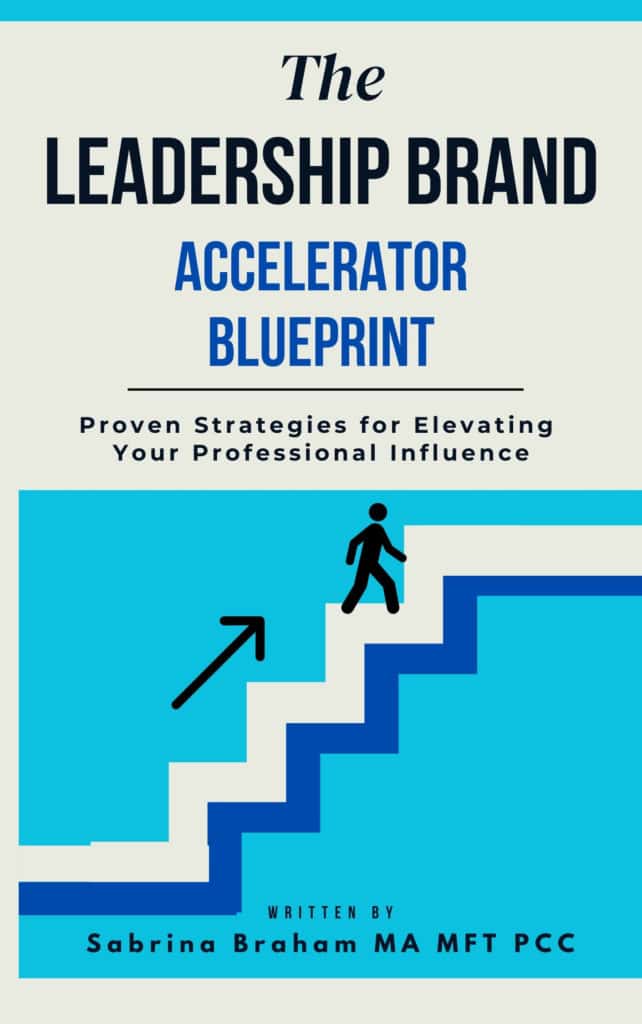
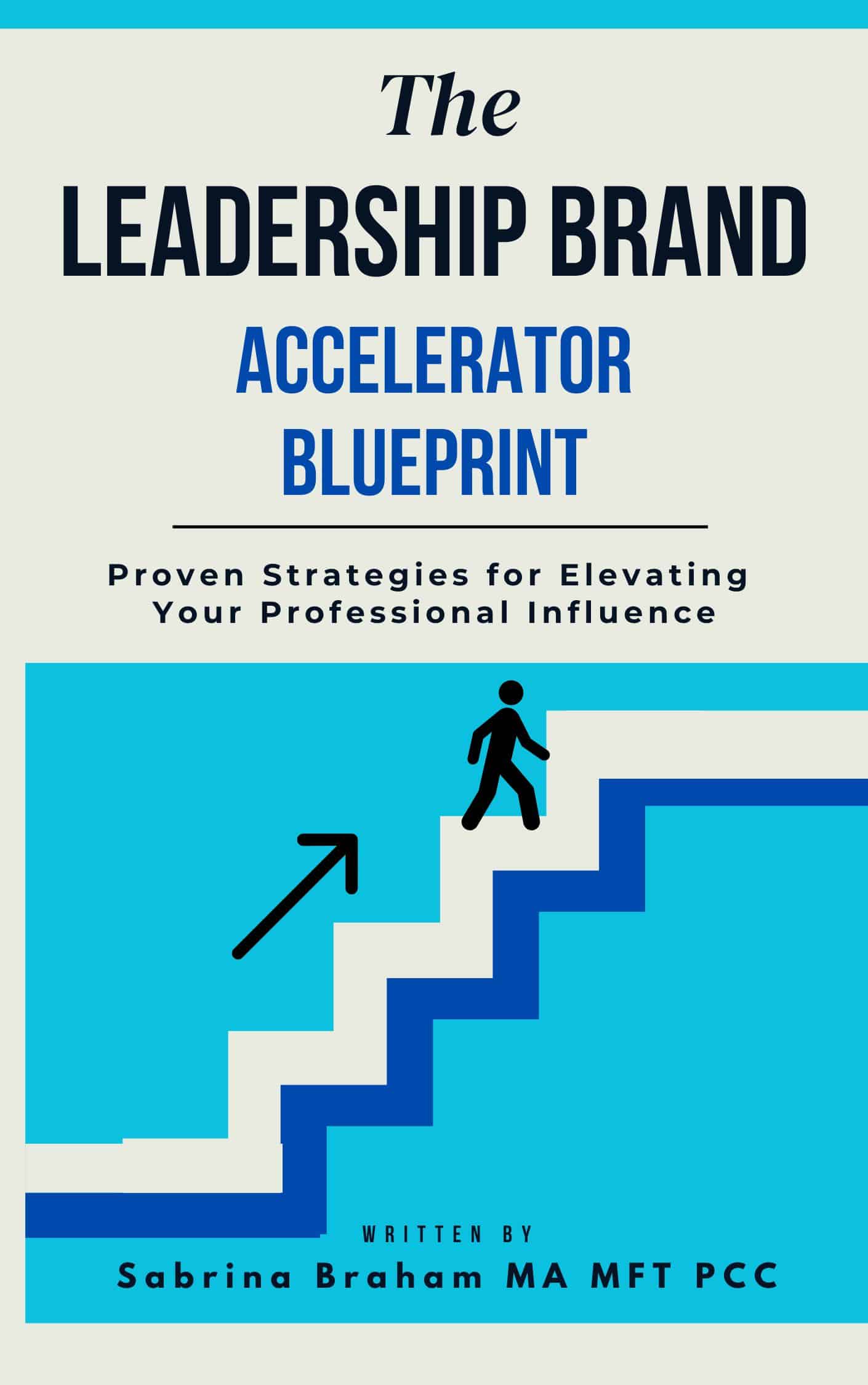
Download our FREE Leadership Branding Blueprint Accelerator and discover:

Download our FREE Leadership Branding Blueprint Accelerator and discover:

The 3-Step Framework top women executives use to build undeniable executive presence


Personal Branding Strategies that make decision-makers remember and advocate for you


Specific Communication Templates for job interviews, performance reviews, and stakeholder meetings


Career Acceleration Roadmap to navigate the broken rung and reach director/VP/C-suite roles


Proven Systems that have helped my clients achieve promotions 3x faster with 20-50%+ salary increases

DOWNLOAD YOUR FREE LEADERSHIP BRANDING BLUEPRINT ACCELERATOR NOW

Transform Your Leadership Presence with Proven Results

About the Expert: Dr. Paul Zak

Dr. Paul J. Zak is a pioneering neuroscientist specializing in behavioral neuroscience, happiness research, and the science of thriving. His 20-year research program on “immersion” and brain-based wellbeing has transformed how Fortune 500 companies approach employee engagement and customer experience.

He is the author of “Immersion: The Science of the Extraordinary and the Source of Happiness” and founder of the Six app for measuring real-time brain activity and key moments.

His research has been featured in Time Magazine, Harvard Business Review, and leading neuroscience journals

Dr. Paul Zak talks about How Women Leaders Use Storytelling to Get Promoted

About Sabrina Braham, MA, MFT, PCC

Sabrina Braham MA MFT PCC executive leadership coach, organization consultant and and career development expert with 30 years expereince.

As an executive coach specializing in women’s leadership and career development, I’ve helped over 250 managers, directors, VPs, and C-suite executives advance their careers 3x faster while increasing their compensation 20-50%+ and avoiding burnout.

My evidence-based approach combines neuroscience, behavioral psychology, and strategic positioning to help women leaders build sustainable success—both professional achievement and personal wellbeing.

The Women’s Leadership Success Podcast has earned over 900,000 downloads and ranks in the top 1.5% of podcasts globally, featuring insights from world-class experts on leadership, thriving, influence, and career advancement

Continue Your Journey

Related Topics:

  • Discover neuroscience-based burnout recovery strategies in Part 2 of this series
  • Master reputation management strategies for women in leadership
  • Learn negotiation techniques backed by behavioral science
  • Explore executive presence development for career acceleration

Listen to the Full Episode: Hear the complete Women’s Leadership Success Podcast interview with Dr. Paul Zak for additional insights on creating extraordinary experiences that drive both business results and career advancement.

Subscribe on:

Apple Podcasts

YouTube

Podbean

Player FM – Podcast

Podchaser

Listen to the Part II on Women Leaders Burnout: Neuroscience Recovery Guide

Hear the complete Women’s Leadership Success Podcast interview with Dr. Paul Zak for additional insights on creating key moments, measuring happiness, and building thriving workplace cultures.


By |January 14th, 2026|Categories: Career Development, Communications, How to Get Promoted, Leadership, Leadership & Women, Mindset, Podcast|Comments Off on Women Leaders Storytelling Promotion Tips: Neuroscience Guide 2026 | WLS 155

Women’s Leadership Podcast & Blog
Women in Leadership AI: Preserving Human Authenticity & Technology for Success

Women in leadership AI roles face unprecedented challenges as artificial intelligence transforms the workplace, yet their ability to empathize and act ethically positions them to lead organizations into a future where technology serves humanity rather [...]
By |July 29th, 2025|Categories: AI, business women, Communications, Leadership, Podcast|1 Comment

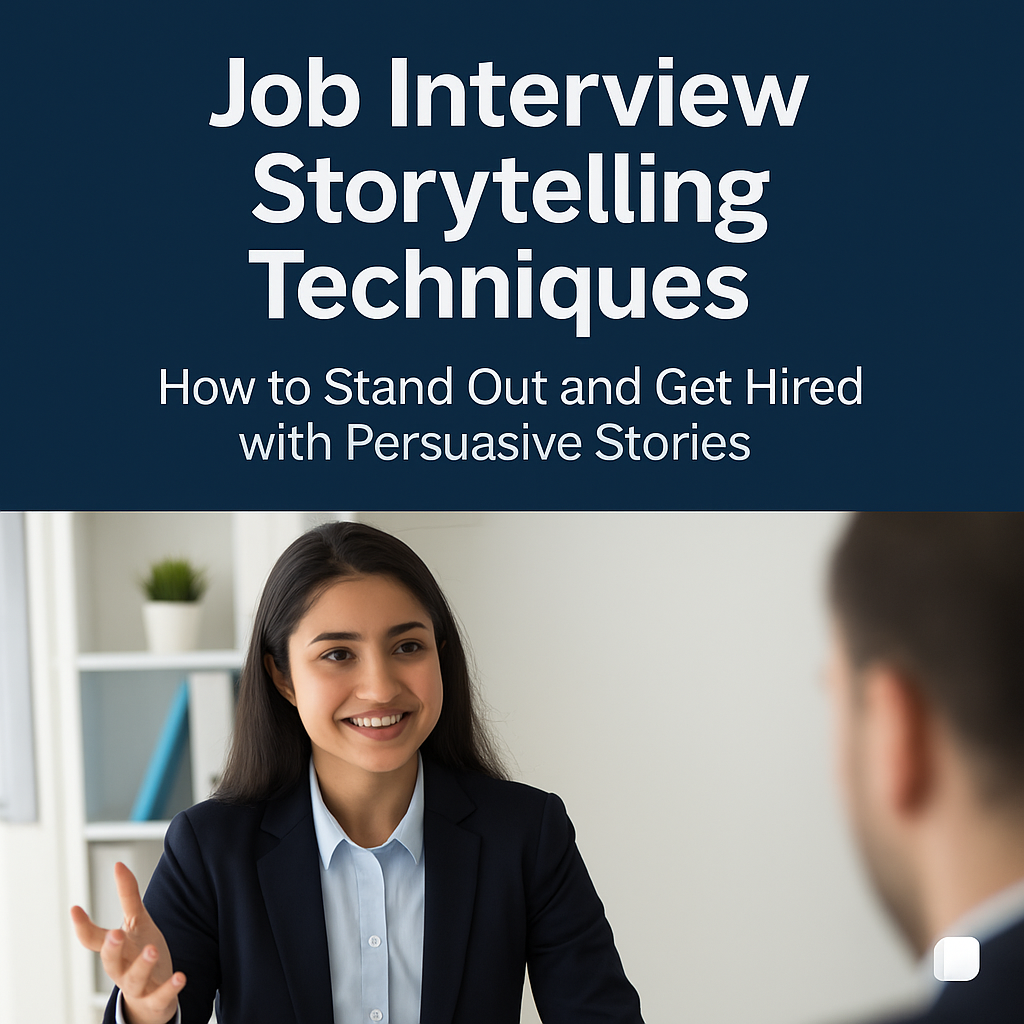
Job Interview Storytelling Techniques: How to Stand Out in Interviews with Persuasive Stories

Learn job interview storytelling techniques to stand out, impress hiring managers, and get the job you want. Discover tips from persuasion expert David Garfinkel.

By |July 3rd, 2025|Categories: Career Development, How to Get Promoted, Interviews, Negotiation, Podcast|Comments Off on Job Interview Storytelling Techniques: How to Stand Out in Interviews with Persuasive Stories

Implementing Flexible Leadership Strategies for Women Leaders: Practical Applications for Success

In this second part of our interview with Kevin Eikenberry, author of "Flexible Leadership," we explore how implementing flexible leadership strategies to navigate complex situations and overcome challenges, drives organizational success. Why Implementing Flexible [...]
By |May 28th, 2025|Categories: Career Development, Communications, Leadership, Leadership & Women, Management, Podcast|Comments Off on Implementing Flexible Leadership Strategies for Women Leaders: Practical Applications for Success

Flexible Leadership Mindset for Women Executives: Mastering Adaptability in Today’s Business World

Discover how developing a flexible leadership mindset can transform your effectiveness as a woman executive. Our exclusive interview with Kevin Eikenberry, author of "Flexible Leadership," reveals powerful strategies for women leaders navigating today's complex [...]

By |May 6th, 2025|Categories: business women, Career Development, Confidence, How to Get Promoted, Leadership & Women, Mindset, Podcast|Comments Off on Flexible Leadership Mindset for Women Executives: Mastering Adaptability in Today’s Business World

Reputation Management: The Secret to Career Advancement for Women Leaders

In today's hypercompetitive business landscape, reputation management is your most valuable career asset to develop. As Sabrina Braham, founder of Women's Leadership Success, powerfully states: "Your reputation is constantly changing and evolving, and if [...]


By |March 25th, 2025|Categories: Ask Sabrina, branding, Career Development, Communications, How to Get Promoted, Leadership, Marketing, Networking, Podcast|Tags: |Comments Off on Reputation Management: The Secret to Career Advancement for Women Leaders
Go to Top