Podcast: Play in new window | Download
Subscribe: Apple Podcasts | Spotify | Android | Pandora | iHeartRadio | TuneIn | Deezer | RSS
The Neuroscience of Thriving: How Women Leaders Transform Burnout Into Happiness and High Performance
With 60% of senior women reporting record burnout (McKinsey, 2025) and 82% of all employees at burnout risk, the happiness crisis demands neuroscience-based solutions. Dr. Paul Zak reveals the “key moments” framework, Love Plus algorithm, and immersion science that transforms workplace well being, leadership culture, and sustained career success.
• Happy workers are 13% more productive, with wellbeing interventions showing 10-21% productivity gains (Oxford, 2024)
• 50% of happiness comes from quality social relationships—80% of “key moments” are social experiences
• Women leaders who invest in relationships develop different brain activity patterns for sustained thriving
• The “do-not-do list” creates bandwidth for extraordinary experiences that prevent burnout
• Silence, volunteering, and authentic vulnerability are neuroscience-backed practices for long-term happiness
As an executive coach with over 30 years of experience (MA, MFT, PCC) and host of the Women’s Leadership Success Podcast (900,000+ downloads, top 1.5% globally), I’m witnessing an unprecedented crisis: 60% of senior-level women report feeling frequently burned out—the highest level ever recorded (McKinsey, 2025).
And it’s getting worse. WebMD Health Services research shows burnout perceptions increased by over 25% from 2022 to 2024, with 82% of all employees now at burnout risk. Gen X women leaders, senior managers, and directors face the highest rates—precisely the women who should be thriving at the peak of their careers.
But what if the solution isn’t “work-life balance” programs or meditation apps? What if neuroscience reveals a completely different approach to sustained happiness and high performance?
In Part 2 of my interview with Dr. Paul Zak—pioneering neuroscientist and author of “Immersion: The Science of the Extraordinary and the Source of Happiness”—we explore the brain-based framework for thriving that transforms how women leaders approach wellbeing, create extraordinary workplace cultures, and sustain career success without sacrificing happiness.
The Thriving Crisis: Why Traditional Wellbeing Programs Fail Women Leaders
Fast Company (2025) reports that throughout 2025, companies treated employees with “stunning disregard”: rolling layoffs, unchecked workloads, and blind eyes to burnout. Over 200,000 American women quit their jobs this year, citing inflexible policies and lack of support.
For women leaders specifically:
• Only 26% strongly agree their organization cares about their wellbeing (Gallup, 2025)
• 42% of working women say their job has had a negative impact on mental health (vs. 37% of men)
• Women who feel stressed daily are 46% more likely to actively seek new jobs
• 36% of full-time women have a mismatch between preferred and actual work arrangements

Why the Gap? Most organizations spent the past decade conflating wellbeing with wellness programs. They handed out meditation apps, gym stipends, and yoga classes while ignoring the root causes: uncaring managers, lack of connection, always-on expectations, and feeling unappreciated.
The result? Burnout soared, engagement flat-lined, and the best women leaders walked awa
What Neuroscience Reveals About Thriving vs. Surviving
“The book has the title Happiness in it, but it’s really about thriving,” Dr. Zak clarifies. “How do I extend positive mood and high energy over my lifetime?”
Using distributed neuroscience technology and the Six app (measuring brain activity continuously at one-second frequency), Dr. Zak’s research team discovered something revolutionary: People who have 6 or more “key moments” daily are truly thriving—engaged in life, resilient to stress, and sustaining high performance.

What Are Key Moments and Why Do They Matter?
"Key moments are high-value experiences that help us grow as human beings and thrive," Dr. Zak explains. "What we found is that the systems in the brain that give us these high-value moments are deep in the brainstem, hidden from our conscious awareness."
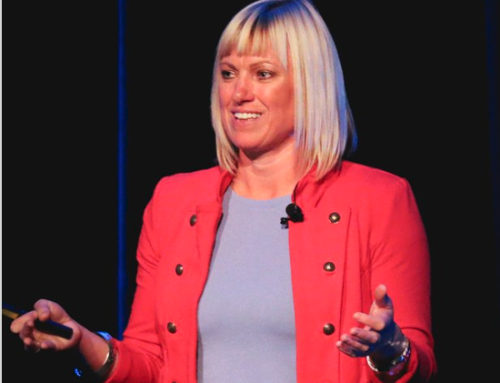
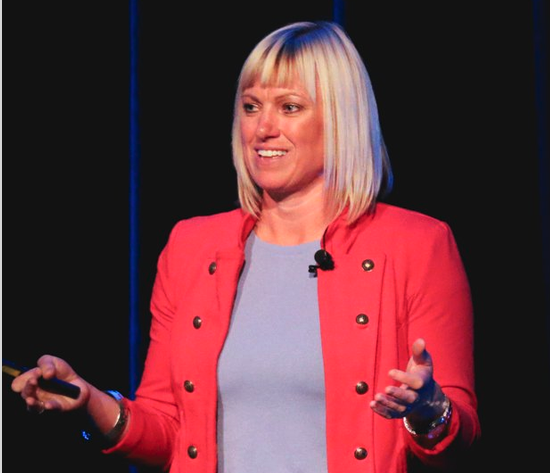
Dr. Paul Zak
This explains why traditional self-assessment wellbeing surveys fail: Most people cannot accurately identify what truly makes them happy.
“When we ask people, ‘What was your most important moment yesterday?’ they don’t know,” Dr. Zak reveals. “Because it’s hidden from conscious awareness. Many times, people will do something they think is really fun that doesn’t give their brain a lot of value.”
The Neuroscience: Why Social Connection Drives Happiness

Recent research from Oxford University confirms what Dr. Zak’s neuroscience proves: About 50% of our happiness is due to the quality of our social relationships.
But here’s the critical finding for women leaders: 80% of key moments are social experiences.
“It’s the people that give me that ability to be present and emotionally open,” Dr. Zak emphasizes. “Sometimes I’ll get a key moment when I’m really in a great writing project, but mostly, it’s when I’m out at a conference, having dinner with people, giving talks.”
The Leadership Implication:
Women leaders facing declining corporate support (only 54% of companies now prioritize women’s advancement) cannot wait for organizational culture change. You must proactively create the social connections and immersive experiences that sustain your brain’s capacity to thrive.
The Two Core Components: Presence and Emotional Openness
1. Being Present
“If I’m distracted, it’s not going to be a good experience for me,” Dr. Zak explains. “So I’ll often take my phone and just turn it off in meetings. Hey, you guys, this is an important meeting, I need all the phones off.”
For Women Leaders:
• Create technology-free zones during strategic thinking and team conversations
• Block “thinking time” on your calendar—treat it as sacred as client meetings
• Practice “walking in silence” to oxygenate your brain and generate ideas
• Use the 60-90 minute rule: take 5-minute movement breaks to maintain cognitive clarity
2. Being Emotionally Open
“Do we want to be around people who don’t share their emotions with us?” Dr. Zak asks. “No. If I say ‘I’m having a tough day’ and you’re like ‘oh, that’s terrible’ with no emotion—that’s not a friend, that’s a robot.”
Emotional experiences are saved in memory in a particular way that makes them more easily accessible. When you share authentic emotions, you activate neural pathways that build trust, create connection, and generate the key moments that sustain thriving.
Critical for Women Leaders: This isn’t about oversharing or being “too emotional” (a bias women already face). It’s about strategic vulnerability that makes you relatable, trustworthy, and capable of building the deep connections that drive both happiness and high performance.
The Love Plus Algorithm: A Neuroscience Framework for Daily Happiness
When Time Magazine asked Dr. Zak to write three sentences on New Year’s resolutions, he created what he calls his “algorithm for living a happy and fulfilled life”: Love Plus.
The Love Plus Framework:
L – Love and be loved
Invest deeply in relationships. Research shows 50% of happiness comes from social connection quality. For women leaders, this means prioritizing meaningful relationships with family, friends, and trusted colleagues—not just networking transactions.
O – Openness to new experiences
Travel, try new activities, engage with different perspectives. Novel experiences create neurological growth and generate key moments that sustain thriving.

V – Volunteering and giving back
“The evidence is so overwhelming that helping others makes you happy,” Dr. Zak notes. Even small acts of generosity—buying a colleague coffee, mentoring a junior team member—create reciprocal happiness loops.
E – Exercise
Physical movement isn’t just wellness theater. It oxygenates the brain, reduces stress hormones, and creates conditions for key moments to emerge.
PLUS:
• Purpose: Connect daily work to larger meaning and impact
• Learning: Continuous growth through reading, courses, new skills
• Unique experiences: Prioritize extraordinary moments that create lasting memories
• Silence: Create space for reflection, creativity, and strategic thinking
How Women Leaders Apply Love Plus Daily
Dr. Zak’s framework isn’t theoretical—it’s immediately actionable:
Morning: 10 minutes of silence before checking devices (builds presence, reduces cortisol)
Workday: 2-3 “connection moments” with team members beyond task management (builds trust, creates key moments)
Lunch: Walk outside without phone (exercise + silence + openness to new observations)
Afternoon: Learn something new—read an article, take a short course, explore a topic (continuous learning)
Evening: Invest in deep relationships—quality time with family/friends, not just logistics (love and be loved)
Weekly: Volunteer or mentor (giving back creates sustained happiness)
The Do-Not-Do List: Creating Bandwidth for Thriving
“Many executives tell me they don’t have time for key moments,” Dr. Zak acknowledges. His solution? The do-not-do list.
“I realized I was doing a lot of things on my to-do list that weren’t actually that valuable. So I made a second list called my do-not-do list. And it’s way longer than my to-do list.”
Examples from Dr. Zak’s Do-Not-Do List:
• Do not attend meetings without clear agendas and time boundaries
• Do not respond to every email within 2 hours (batch processing instead)
• Do not say yes to every speaking invitation (protect creative bandwidth)
• Do not schedule back-to-back meetings all day (protect key moment opportunities)
• Do not work weekends as default (protect relationship investment time)
For Women Leaders:
What activities drain energy without creating value? What obligations stem from people-pleasing rather than strategic necessity? Your do-not-do list creates the space for the 6+ daily key moments that neuroscience shows drive sustained thriving.
Implement This Week: Your 7-Day Thriving Action Plan
Day 1 (15 minutes): Track Your Current Key Moments
Download the Six app or simply note when you feel most engaged, energized, and present today. Aim to identify at least 3 moments—no judgment, just observation.
Day 2 (20 minutes): Create Your Do-Not-Do List
List 10-15 activities that drain energy without creating proportional value. Circle the top 5 you’ll eliminate or delegate this month.
Day 3 (30 minutes): Map Your Love Plus Framework
For each Love Plus element, identify ONE specific action you’ll take this week. Write it on your calendar with specific time blocks.
Day 4 (10 minutes): Practice Presence
Choose one meeting today: turn off all devices, close laptop, give full attention. Notice the difference in engagement quality.
Day 5 (15 minutes): Invest in One Deep Connection
Schedule coffee/lunch/walk with someone who energizes you. Focus on relationship, not networking utility.
Day 6 (20 minutes): Block “Silence Time”
Put 30-60 minutes on your calendar for thinking/walking without devices. Treat it as non-negotiable as any client meeting.
Day 7 (15 minutes): Reflect and Adjust
How many key moments did you experience this week? What created them? What got in the way? Plan next week’s improvements.
Success Metrics: Target 6+ key moments daily by end of Week 2. Notice increased energy, reduced stress reactivity, and improved decision quality.
Common Mistakes Women Leaders Make With Well Being
Mistake #1: Treating Happiness as Selfish
Neuroscience proves happy leaders make better decisions, build stronger teams, and sustain high performance longer. Your thriving isn’t optional—it’s strategic.
Mistake #2: Waiting for Organizational Culture to Change
Only 26% of women strongly agree their organization cares about wellbeing. You cannot wait for corporate programs. Take ownership of your key moments now.
Mistake #3: Confusing Wellness Activities With Actual Thriving
Yoga apps and gym memberships don’t create key moments if you’re distracted, transactional, or disconnected. Focus on presence and emotional openness.
Mistake #4: Neglecting Social Relationships for Career Achievement
With 80% of key moments being social experiences, relationship neglect creates a neurological deficit no amount of professional success can fill.
Mistake #5: No Protected Time for Strategic Thinking
Silence and reflection aren’t luxuries—they’re requirements for generating ideas, processing emotions, and sustaining executive-level decision-making.
People Also Ask: Burnout Recovery for Women Leaders How can women leaders recover from burnout using neuroscience?
Focus on creating 6+ daily “key moments”—high-value experiences that the brain processes as meaningful. Prioritize social connection (80% of key moments are social), practice presence (eliminate distractions), and embrace emotional openness (builds trust and memory). The Love Plus algorithm provides a systematic framework.
What percentage of women leaders experience burnout in 2025?
McKinsey (2025) reports 60% of senior-level women feel frequently burned out—the highest level ever recorded. Gen X women leaders and senior managers face the highest rates. WebMD research shows 82% of all employees are now at burnout risk, with perceptions increasing 25% from 2022-2024.
How long does it take to recover from leadership burnout?
Dr. Zak’s research shows people experiencing 6+ key moments daily demonstrate measurable improvement in resilience and energy within 7-14 days. However, sustainable recovery requires ongoing practice—thriving is a daily discipline, not a one-time fix.
Can I be a successful woman leader without sacrificing happiness?
Yes—neuroscience proves happy workers are 13% more productive (Oxford, 2024). The key is redefining success to include sustained wellbeing, not just achievement. Use the do-not-do list to eliminate low-value activities and create bandwidth for key moments.
What’s the most effective burnout prevention strategy for women executives?
Proactive relationship investment. Since 50% of happiness comes from social connection quality and 80% of key moments are social experiences, women leaders must prioritize deep relationships alongside career advancement—not as an afterthought.
How do I measure if I’m truly thriving versus just surviving?
Track daily key moments using the Six app or simple self-monitoring. Thriving = 6+ daily high-value experiences. Notice: sustained energy throughout the day, resilience to stress, genuine enthusiasm for work and life, quality sleep, strong relationships.
Should I quit my job if it’s causing burnout?
First, implement the Love Plus framework and do-not-do list for 30 days. Many burnout symptoms stem from how we approach work, not just what we’re doing. If burnout persists despite boundary-setting and key moment cultivation, then explore role changes.
Traditional vs. Neuroscience-Based Wellbeing
- Traditional Wellness
- Meditation apps and gym stipends
- Work-life balance programs
- Self-reported happiness surveys
- Individual wellness activities
- Generic stress reduction
- Passive organizational programs
- Annual wellness checkups
- Burnout recovery focus
- Neuroscience-Based Thriving
- 6+ daily key moments
- Presence + emotional openness
- Brain activity measurement
- 80% social experiences
- Do-not-do list customization
- Proactive personal ownership
- Daily thriving discipline
- Sustained happiness systems
What's New in 2026: Workplace Happiness Trends
Brain Health as Competitive Advantage:
The Global Wellness Institute identifies brain health as a central workplace focus, with companies realizing cognitive performance requires sustained wellbeing, not just productivity hacks.
Right to Disconnect Laws Expanding:
Following Europe’s lead, more regions are implementing legal protections for after-hours boundaries, recognizing always-on expectations destroy key moments and thriving capacity.
Measurement Revolution:
Tools like the Six app enable real-time brain activity tracking, replacing inaccurate self-reported surveys with objective neurological data on what actually creates happiness.
Social Connection Crisis Recognition:
Post-pandemic loneliness and isolation are finally acknowledged as business problems, not just personal issues, driving investment in authentic relationship-building opportunities.
Four-Day Work Week Experiments:
Companies testing condensed schedules report productivity maintenance or gains while dramatically improving employee wellbeing—proof that presence and focus matter more than hours logged.
Transform Burnout Into Sustained Thriving
The neuroscience of happiness provides women leaders with a proven framework for transforming burnout into sustained high performance and wellbeing. By implementing the Love Plus algorithm, creating your do-not-do list, and prioritizing 6+ daily key moments, you take ownership of thriving rather than waiting for organizational culture change.
Ready to build the strategic framework, executive presence, and leadership brand that enables both career success and sustained happiness?
Download our FREE Leadership Branding Blueprint Accelerator and discover:
✓ Burnout Prevention Systems that protect your energy while accelerating advancement
✓ Relationship Investment Strategies that create the social connections neuroscience proves drive 50% of happiness
✓ Boundary-Setting Templates for eliminating low-value obligations (your do-not-do list)
✓ Executive Presence Framework that demonstrates both competence and authentic leadership
✓ Proven Systems that have helped my clients achieve promotions 3x faster while avoiding burnout
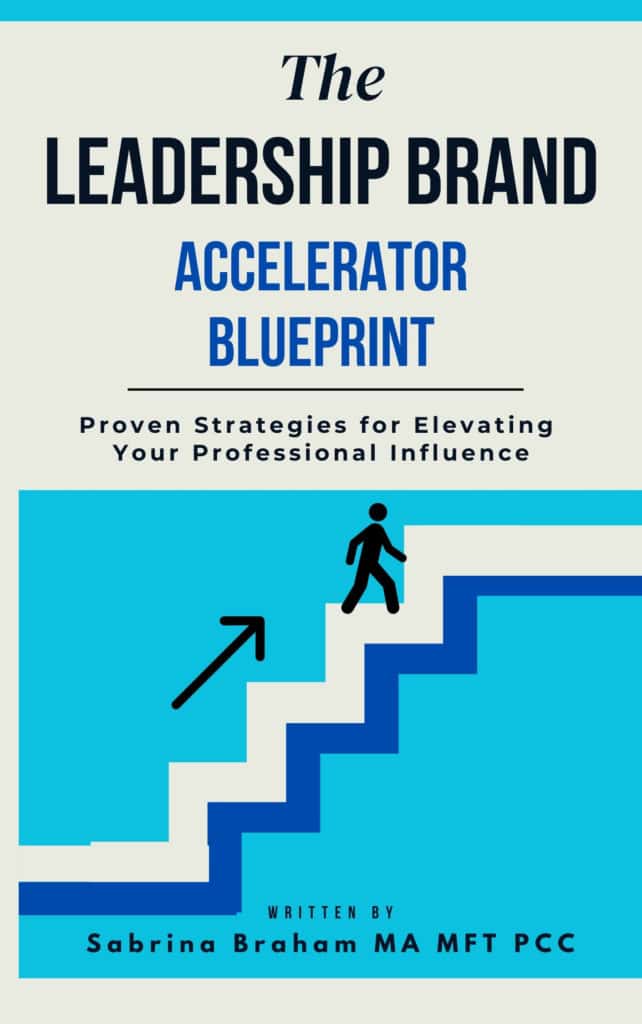
DOWNLOAD YOUR FREE LEADERSHIP BRANDING BLUEPRINT ACCELERATOR NOW
About the Expert: Dr. Paul Zak
Dr. Paul J. Zak is a pioneering neuroscientist specializing in behavioral neuroscience, happiness research, and the science of thriving. His 20-year research program on “immersion” and brain-based wellbeing has transformed how Fortune 500 companies approach employee engagement and customer experience.
He is the author of “Immersion: The Science of the Extraordinary and the Source of Happiness” and founder of the Six app for measuring real-time brain activity and key moments.
His research has been featured in Time Magazine, Harvard Business Review, and leading neuroscience journals

About Sabrina Braham, MA, MFT, PCC

As an executive coach specializing in women’s leadership and career development, I’ve helped over 250 managers, directors, VPs, and C-suite executives advance their careers 3x faster while increasing their compensation 20-50%+ and avoiding burnout. My evidence-based approach combines neuroscience, behavioral psychology, and strategic positioning to help women leaders build sustainable success—both professional achievement and personal wellbeing.
The Women’s Leadership Success Podcast has earned over 900,000 downloads and ranks in the top 1.5% of podcasts globally, featuring insights from world-class experts on leadership, thriving, influence, and career advancement
Related Topics:
• Discover the SIRTA storytelling framework for career advancement in Part 1 of this series
• Master strategic vulnerability and the pratfall effect for authentic leadership
• Learn how to create immersive team experiences that drive engagement
• Explore neuroscience-based decision-making for women executives
Hear the complete Women’s Leadership Success Podcast interview with Dr. Paul Zak for additional insights on creating key moments, measuring happiness, and building thriving workplace cultures.